

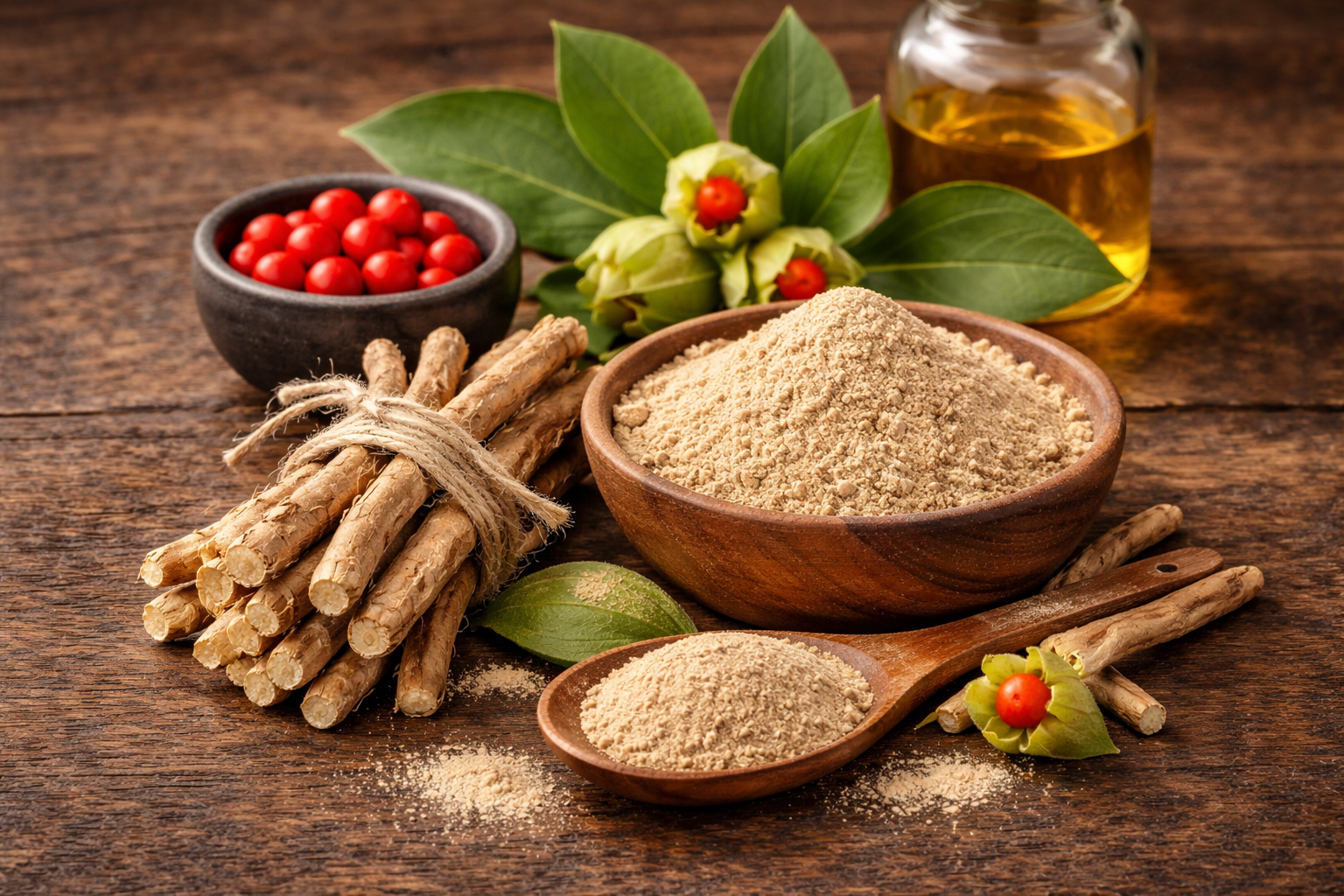
Benefits, Dosage, Uses & Science – The Ultimate Guide
Introduction
Ashwagandha (Withania somnifera), known as the “Indian ginseng” or “winter cherry,” is one of the most revered herbs in Ayurveda. For over 3,000 years, this adaptogenic herb has been used to combat stress, enhance vitality, and promote longevity. Its name translates to “smell of the horse,” referring both to its distinct aroma and its traditional reputation for imparting the strength and stamina of a stallion. In modern wellness circles, ashwagandha has emerged as a powerhouse supplement backed by a growing body of scientific research. From reducing cortisol levels to improving sleep quality, this herb offers a wide array of benefits for the mind and body. This comprehensive guide explores everything you need to know about ashwagandha, including its traditional uses, modern research, proper dosage, and safety considerations.
What Is Ashwagandha?
Ashwagandha is a small evergreen shrub native to India, the Middle East, and parts of Africa. Its roots and berries have been used for centuries in Ayurveda as a rasayana—a rejuvenative tonic that promotes physical and mental health. The plant contains powerful bioactive compounds called withanolides, which are believed to be responsible for its therapeutic effects. Unlike stimulants that provide a temporary energy boost, ashwagandha works as an adaptogen. Adaptogens help the body adapt to stress by modulating the hypothalamic‑pituitary‑adrenal (HPA) axis, bringing the system back into balance whether you are overstimulated or depleted.
Ashwagandha Benefits: What the Science Says
1. Reduces Stress and Anxiety
Ashwagandha is best known for its ability to lower cortisol, the body’s primary stress hormone. Multiple clinical studies have demonstrated significant reductions in perceived stress, anxiety scores, and serum cortisol levels among participants taking ashwagandha root extract.
2. Improves Sleep Quality
For those struggling with insomnia or restless sleep, ashwagandha can promote deeper, more restorative sleep. Its calming effects on the nervous system help quiet the mind without causing daytime drowsiness when taken appropriately.
3. Supports Cognitive Function
Research suggests ashwagandha may enhance memory, attention, and information processing speed. Its neuroprotective properties are attributed to its antioxidant activity and its ability to promote nerve cell growth and repair.
4. Boosts Testosterone and Male Fertility
Several studies have shown ashwagandha supplementation increases testosterone levels and improves sperm quality, including count, motility, and morphology. These effects make it a valuable herb for male reproductive health.
5. Enhances Athletic Performance and Strength
Ashwagandha has been shown to improve cardiorespiratory endurance, increase muscle strength, and reduce exercise‑induced muscle damage. Athletes and fitness enthusiasts often use it to accelerate recovery and boost performance.
6. Supports Thyroid Function
For individuals with subclinical hypothyroidism, ashwagandha may help normalize thyroid hormone levels by stimulating thyroid activity. Those with hyperthyroidism should use caution, as it may increase thyroid hormone production.
7. Balances Blood Sugar
Ashwagandha may improve insulin sensitivity and lower blood glucose levels, making it a supportive herb for those managing type 2 diabetes or metabolic syndrome.
Ayurvedic Properties of Ashwagandha
In Ayurveda, ashwagandha is classified with the following properties: Rasa (Taste) is bitter, astringent, and sweet. Virya (Energy) is heating (ushna). Vipaka (Post‑Digestive Effect) is sweet. Dosha Effect pacifies Vata and Kapha but can increase Pitta in excess. Dhatu (Tissue Affinity) includes plasma, blood, muscle, fat, nerve, and reproductive tissues. Srotas (Channel Affinity) includes nervous, reproductive, respiratory, and musculoskeletal channels. It is considered a balya (strength‑promoting) and vajikarana (aphrodisiac) herb, traditionally used to nourish ojas—the subtle essence of vitality and immunity.
Ashwagandha Dosage: How Much Should You Take?
Dosage depends on the form of ashwagandha you are using. For root powder, the typical dosage is 1–3 grams per day, divided into two doses. For standardized extract, 300–600 mg per day is common, often standardized to 5–10% withanolides. For KSM‑66 extract, 300–600 mg per day is recommended. For Shoden extract, 120–240 mg per day is typical. It is best to start with a lower dose and gradually increase while monitoring your body’s response. Ashwagandha is traditionally taken with warm milk, ghee, or honey to enhance absorption and mitigate any heating effects.
When to Take Ashwagandha: Morning or Night?
For stress and energy, take ashwagandha in the morning or early afternoon. For sleep and relaxation, take it in the evening, approximately 30–60 minutes before bed. For general vitality, divide the total daily dose into two servings (morning and evening). Consistency is key—ashwagandha’s benefits typically become noticeable after 2–4 weeks of regular use.
Ashwagandha Side Effects and Safety
Ashwagandha is generally well‑tolerated, but some individuals may experience digestive upset such as nausea or diarrhea, drowsiness especially at higher doses, or headache. Pregnant and breastfeeding women should avoid ashwagandha due to potential uterine stimulation. Individuals with hyperthyroidism should avoid it as it may further increase thyroid activity. Those on sedatives or thyroid medications should be aware of potential interactions. People with autoimmune conditions should consult a healthcare provider before use. Always consult a qualified healthcare professional before starting any new supplement, especially if you have underlying health conditions or are taking prescription medications.
How to Choose a High‑Quality Ashwagandha Supplement
When selecting an ashwagandha product, look for organic certification to ensure no pesticides or synthetic fertilizers. Third‑party testing confirms potency and purity. Standardized extracts such as KSM‑66, Sensoril, or Shoden provide consistent withanolide content. Transparent sourcing from manufacturers that disclose origin and testing practices is essential. Avoid products with unnecessary fillers, artificial colors, or proprietary blends that do not disclose individual ingredient amounts.
Frequently Asked Questions About Ashwagandha
How long does ashwagandha take to work?
Most users notice improvements in stress, sleep, and energy within 2–4 weeks of consistent use.
Can ashwagandha cause weight gain?
Ashwagandha does not directly cause weight gain. It may improve muscle mass and reduce stress‑related weight fluctuations by lowering cortisol.
Is ashwagandha safe for long‑term use?
Ashwagandha can be safely used for several months. Some Ayurvedic practitioners recommend cycling off for 1–2 weeks after 3–4 months of continuous use.
Can I take ashwagandha with other herbs?
Yes. Ashwagandha is often combined with herbs like brahmi for cognition, tulsi for stress, or triphala for digestion to enhance synergistic effects.
Conclusion
Ashwagandha is a time‑honored herb with remarkable versatility. Whether you are seeking relief from stress, better sleep, cognitive support, or enhanced physical performance, this adaptogenic root offers a natural, evidence‑based solution. As with any supplement, quality matters—choose organic, tested products and follow appropriate dosage guidelines. At Ayurveda Wellness USA, we are committed to bringing you the highest quality, evidence‑based information on Ayurvedic herbs. For trusted, pure, and sustainably sourced ashwagandha, explore our Atma Naturals product line, crafted with integrity and backed by science.
