
Benefits, Uses, Dosage & Science – The Ultimate Guide
Introduction
Tulsi (Ocimum sanctum), known as Holy Basil, is one of the most sacred and revered herbs in India. For over 5,000 years, Tulsi has been worshipped as a goddess, cultivated in temple courtyards, and used in Ayurvedic medicine as the “Queen of Herbs” and the “Elixir of Life.” Unlike the common culinary basil found in Italian cuisine, Tulsi is a distinct species with powerful medicinal properties. It is considered an adaptogen—a substance that helps the body adapt to stress—and is prized for its ability to support respiratory health, enhance immunity, calm the mind, and promote overall vitality. In modern times, Tulsi has gained recognition worldwide as a potent herb for managing stress, balancing blood sugar, and supporting the body’s natural defense systems. This comprehensive guide explores everything you need to know about Tulsi, including its traditional uses, modern scientific research, proper dosage, and safety considerations.
What Is Tulsi (Holy Basil)?
Tulsi is a perennial aromatic plant native to the Indian subcontinent. There are three main varieties used medicinally: Rama Tulsi (Ocimum sanctum), Krishna Tulsi (Ocimum tenuiflorum), and Vana Tulsi (Ocimum gratissimum). Each variety has slightly different properties, but all share the core adaptogenic, antimicrobial, and immune‑modulating qualities that make Tulsi so valuable. In Ayurveda, Tulsi is considered a rasayana (rejuvenative), medhya (cognitive support), and vishaghna (detoxifying) herb. It is used to balance all three doshas, particularly Kapha and Vata, and is considered one of the few herbs that can be safely used daily for long‑term health maintenance. The leaves, stems, seeds, and roots all have medicinal applications, though the leaves are most commonly used.
Tulsi Benefits: What the Science Says
1. Reduces Stress and Anxiety
Tulsi is a powerful adaptogen that helps the body cope with physical, chemical, and emotional stress. Clinical studies have demonstrated that Tulsi supplementation reduces cortisol levels, improves stress resilience, and enhances overall mood. It modulates the HPA axis, helping to bring the nervous system back into balance without causing sedation.
2. Supports Respiratory Health
Tulsi has been traditionally used for coughs, colds, bronchitis, and asthma. Its bronchodilatory, expectorant, and antimicrobial properties help clear congestion, soothe inflamed airways, and fight respiratory infections. Modern research confirms its effectiveness against common respiratory pathogens.
3. Boosts Immunity
Tulsi enhances immune function by increasing the activity of natural killer cells, T‑cells, and other immune markers. Its antimicrobial, antiviral, and antifungal properties provide broad‑spectrum protection against infections. Regular use helps strengthen the body’s natural defenses against seasonal illnesses.
4. Balances Blood Sugar
Numerous studies have shown that Tulsi helps lower blood glucose levels and improves insulin sensitivity. It supports pancreatic function and may be beneficial for individuals with type 2 diabetes or metabolic syndrome when used alongside conventional care.
5. Protects Against Oxidative Stress
Tulsi is rich in antioxidants, including eugenol, rosmarinic acid, and apigenin. These compounds neutralize free radicals, reduce oxidative damage to cells, and slow the aging process. Tulsi’s antioxidant capacity is comparable to that of many well‑known superfoods.
6. Supports Cardiovascular Health
Tulsi helps maintain healthy blood pressure, reduces cholesterol levels, and protects the heart muscle from oxidative damage. Its adaptogenic properties also help reduce stress‑related cardiovascular strain.
7. Promotes Cognitive Function
Tulsi has been shown to enhance memory, improve attention, and protect against age‑related cognitive decline. Its neuroprotective properties are attributed to its antioxidant activity and its ability to reduce stress‑induced damage to brain cells.
8. Supports Oral Health
Chewing Tulsi leaves or using Tulsi‑based mouthwashes helps maintain oral hygiene by fighting bacteria that cause plaque, gum disease, and bad breath. Its antimicrobial properties make it a valuable addition to oral care routines.
Ayurvedic Properties of Tulsi
In Ayurveda, Tulsi is classified with the following properties: Rasa (Taste) is pungent, bitter, and astringent. Virya (Energy) is heating (ushna). Vipaka (Post‑Digestive Effect) is pungent. Dosha Effect pacifies Kapha and Vata and can increase Pitta when used in excess. Dhatu (Tissue Affinity) includes plasma, blood, respiratory tissues, and nervous tissues. Srotas (Channel Affinity) includes respiratory, circulatory, and nervous channels. It is considered a rasayana (rejuvenative), medhya (cognitive support), vishaghna (detoxifying), and kushtaghna (skin‑healing) herb. Tulsi is also revered for its spiritual qualities and is considered to open the heart and elevate consciousness.
Tulsi Dosage: How Much Should You Take?
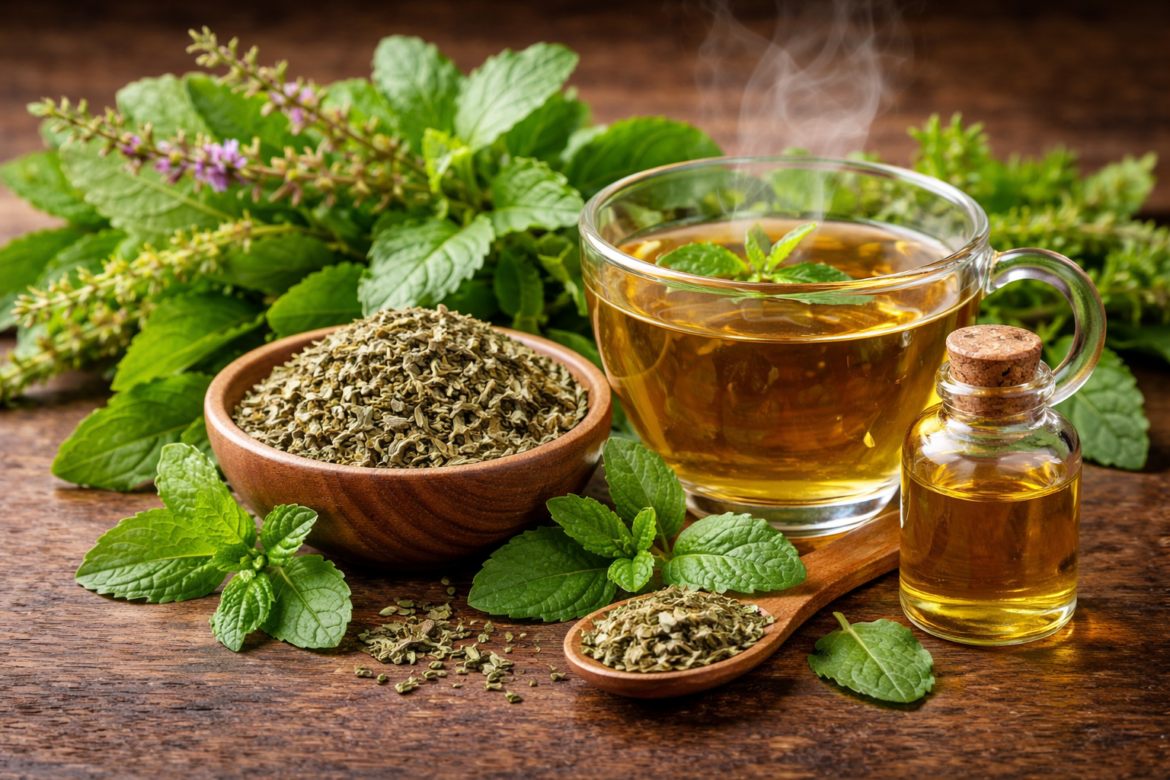
Dosage depends on the form of Tulsi you are using. For fresh Tulsi leaves, 2–4 leaves per day can be chewed directly. For dried Tulsi powder, 1–3 grams per day, typically divided into two doses. For Tulsi tea, steep 1–2 teaspoons of dried leaves in 8 ounces of hot water for 5–10 minutes, up to 2–3 cups daily. For standardized extracts, 300–600 mg per day of a concentrated extract is common. For liquid extracts (tinctures), 2–4 ml up to three times daily. It is best to start with a lower dose and gradually increase while monitoring your body’s response. Tulsi can be taken with warm water, honey, or added to teas and culinary preparations.
When to Take Tulsi: Best Practices
For stress management and adaptogenic support, take Tulsi in the morning and early afternoon. For respiratory support, take it at the first sign of congestion or throughout the day as needed. For general wellness, Tulsi can be taken daily as a tea or supplement. Because Tulsi is heating in nature, it is traditionally paired with cooling herbs or taken in smaller doses during the summer months or for individuals with Pitta constitution.
Tulsi Side Effects and Safety
Tulsi is generally considered very safe for long‑term use. However, some individuals may experience mild digestive upset, nausea, or heartburn, especially when taking higher doses. Pregnant women should use Tulsi with caution, as some traditional texts suggest it may have mild uterine stimulant effects. Breastfeeding women should consult a healthcare provider before use. Individuals with low blood sugar or those taking diabetes medications should monitor blood glucose levels closely, as Tulsi may have hypoglycemic effects. Those taking blood‑thinning medications should use Tulsi with caution, as it may have mild anticoagulant properties. People with thyroid conditions should be aware that Tulsi may affect thyroid hormone levels. Always consult a qualified healthcare professional before starting any new supplement, especially if you have underlying health conditions or are taking prescription medications.
How to Choose a High‑Quality Tulsi Supplement
When selecting a Tulsi product, look for organic certification to ensure no pesticides or synthetic fertilizers are present. The variety used should be clearly stated—Rama, Krishna, or a blend. Whole leaf powder or standardized extracts are both effective, though traditional Ayurveda favors whole herb preparations. Third‑party testing confirms purity, potency, and the absence of heavy metals or contaminants. For teas, look for products that use sustainably grown, organic Tulsi leaves without artificial flavors or additives. Avoid products with unnecessary fillers, artificial colors, or preservatives.
Frequently Asked Questions About Tulsi
How long does Tulsi take to work?
For stress and anxiety, many users notice improvements within 1–2 weeks of regular use. For immune support and respiratory benefits, effects can be noticed within hours to days, especially when taken at the first sign of illness.
Can I take Tulsi every day?
Yes, Tulsi is considered safe for daily, long‑term use. In India, it is common to drink Tulsi tea daily or chew fresh leaves as part of daily wellness routines.
Is Tulsi safe during pregnancy?
Some traditional sources recommend avoiding Tulsi during pregnancy due to its potential mild uterine stimulant effects. Consult a qualified healthcare provider before use during pregnancy.
Can I take Tulsi with other herbs?
Yes, Tulsi pairs well with many other herbs, including ashwagandha for stress, turmeric for inflammation, and ginger for digestion. It is often included in adaptogenic blends.
Conclusion
Tulsi is truly a gift from nature—a gentle yet powerful herb that supports the body, mind, and spirit. From its adaptogenic stress‑relieving properties to its immune‑boosting and respiratory benefits, Tulsi deserves a place in every wellness routine. Whether enjoyed as a warm tea, taken as a supplement, or even grown in your own garden, this sacred herb offers profound healing potential. As with any supplement, quality matters—choose organic, sustainably sourced products for the best results. At Ayurveda Wellness USA, we are committed to bringing you the highest quality, evidence‑based information on Ayurvedic herbs. For trusted, pure, and sustainably sourced Tulsi, explore our Atma Naturals product line, crafted with integrity and backed by science.