
Benefits, Uses, Dosage & Science – The Ultimate Guide
Introduction
Kutki (Picrorhiza kurroa), known as Katuki in Sanskrit, is one of the most powerful and revered herbs in Ayurveda for liver health, digestion, and detoxification. For thousands of years, this small, bitter root has been treasured as a potent hepatoprotective and rejuvenative herb, earning it the title “king of liver herbs.” Growing in the high altitudes of the Himalayas, Kutki is considered a rasayana (rejuvenative) with particular affinity for the liver, gallbladder, and digestive system. Its intense bitter taste reflects its powerful action on the body—stimulating digestion, cleansing the blood, and protecting the liver from damage. In modern times, Kutki has gained significant scientific attention for its remarkable ability to protect liver cells, support liver regeneration, reduce inflammation, and modulate immune function. This comprehensive guide explores everything you need to know about Kutki, including its traditional uses, modern scientific research, proper dosage, and safety considerations.
What Is Kutki?
Kutki is a small, perennial herb that grows in the alpine regions of the Himalayas at altitudes between 3,000 and 5,000 meters. The dried rhizome and roots of the plant are used medicinally. Kutki has an intensely bitter taste and is considered one of the most effective bitter tonics in Ayurveda. The primary active constituents include kutkin (a mixture of kutkoside and picroside I and II), iridoid glycosides, apocynin, and various phenolic compounds. In Ayurveda, Kutki is classified as a rasayana (rejuvenative), deepana (digestive stimulant), pachana (digestive), yakrit uttejaka (liver stimulant), kaphahara (Kapha‑reducing), pittahara (Pitta‑reducing), and jwaraghna (fever‑reducing) herb.
Kutki Benefits: What the Science Says
1. Supports Liver Health
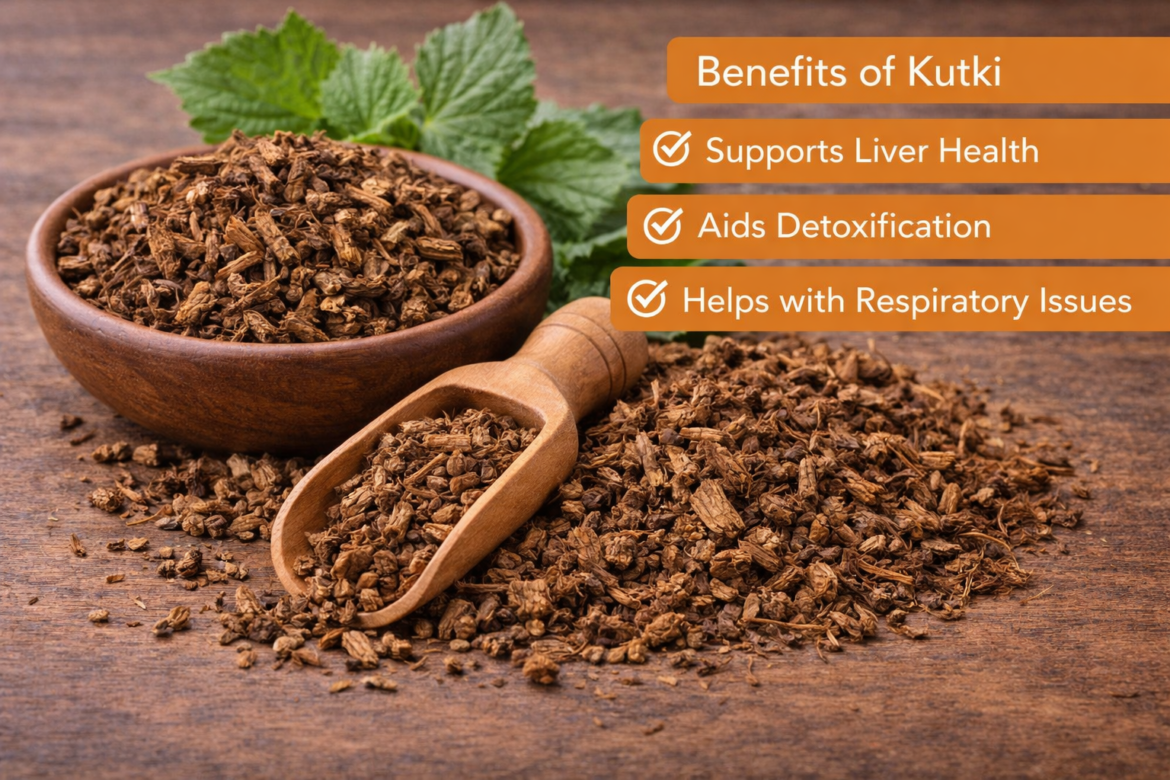
Kutki is the premier herb for liver health in Ayurveda. It protects liver cells from damage caused by toxins, alcohol, medications, and viral infections. It stimulates bile production and flow, supports liver regeneration, and helps maintain healthy liver enzyme levels. Numerous clinical studies have demonstrated Kutki’s hepatoprotective effects in conditions such as hepatitis, fatty liver, and liver damage.
2. Promotes Detoxification
Kutki is a powerful detoxifying herb that helps eliminate toxins from the liver, blood, and digestive tract. It supports all phases of liver detoxification, enhances the elimination of waste products, and helps purify the blood. Its bitter properties stimulate the body’s natural detoxification mechanisms.
3. Supports Digestive Health
Kutki is a potent digestive stimulant that kindles digestive fire (agni), reduces gas and bloating, and helps relieve indigestion, constipation, and abdominal discomfort. It stimulates the secretion of digestive enzymes and bile, improving nutrient absorption and elimination.
4. Reduces Inflammation
Kutki possesses powerful anti‑inflammatory properties through its active compound apocynin and other constituents. It inhibits inflammatory enzymes and cytokines, reducing pain, swelling, and tissue damage throughout the body. Its anti‑inflammatory effects are particularly beneficial for liver inflammation, arthritis, and respiratory conditions.
5. Supports Immune Function
Kutki has immunomodulatory properties that help balance the immune system. It enhances immune function when needed and helps regulate overactive immune responses. This makes it valuable for autoimmune conditions, allergies, and recurrent infections.
6. Acts as a Potent Antioxidant
Kutki is rich in antioxidants that protect cells from oxidative damage. Its iridoid glycosides and phenolic compounds neutralize free radicals, reduce oxidative stress, and protect the liver and other organs from damage.
7. Supports Respiratory Health
Kutki helps manage respiratory conditions including asthma, bronchitis, and chronic cough. Its anti‑inflammatory, expectorant, and bronchodilatory properties help clear congestion, soothe irritated airways, and support healthy lung function.
8. Helps Manage Fever
Kutki has antipyretic properties that help reduce fever, particularly fevers associated with liver dysfunction, infections, and inflammatory conditions. It is often included in formulations for managing fevers.
9. Supports Skin Health
Kutki is traditionally used to support skin health by purifying the blood and reducing inflammation. It helps manage acne, eczema, psoriasis, and other inflammatory skin conditions.
10. Supports Healthy Cholesterol Levels
Kutki has been shown to help maintain healthy cholesterol levels by supporting liver function and bile production. It helps the body metabolize fats more efficiently and supports cardiovascular health.
Ayurvedic Properties of Kutki
In Ayurveda, Kutki is classified with the following properties: Rasa (Taste) is bitter. Virya (Energy) is cooling (sheeta). Vipaka (Post‑Digestive Effect) is pungent. Dosha Effect pacifies Pitta and Kapha, and balances Vata when used appropriately. Dhatu (Tissue Affinity) includes plasma, blood, muscle, fat, and liver tissue. Srotas (Channel Affinity) includes digestive, circulatory, and lymphatic channels. It is considered a rasayana (rejuvenative), deepana (digestive stimulant), pachana (digestive), yakrit uttejaka (liver stimulant), kaphahara (Kapha‑reducing), pittahara (Pitta‑reducing), jwaraghna (fever‑reducing), and krimighna (antiparasitic) herb.
Kutki Dosage: How Much Should You Take?
Dosage depends on the form of Kutki you are using and the desired effect. For Kutki powder, the typical dosage is 500–1,500 mg per day, divided into two doses, taken with warm water or honey. For standardized extract (standardized to kutkin or picrosides), 200–500 mg per day is common. For capsules, 250–500 mg twice daily is typical. For decoction (tea), boil ½ teaspoon of powder in 8 ounces of water for 10 minutes, up to 2 cups daily. It is best to start with a lower dose and gradually increase while monitoring your body’s response. Kutki is traditionally taken with warm water, honey, or as part of liver formulations. Because Kutki is potent, it is typically used for specific periods under professional guidance.
When to Take Kutki: Best Practices
For liver support and detoxification, take Kutki in the morning on an empty stomach. For digestive support, take it before meals. For respiratory conditions, it can be taken with honey throughout the day. Because Kutki is cooling and bitter, it is especially beneficial during the summer months or for individuals with Pitta and Kapha constitutions. For liver conditions, consistent daily use for 1–3 months is often recommended, followed by a break.
Kutki Side Effects and Safety
Kutki is generally safe when used appropriately and in recommended doses. However, some individuals may experience mild digestive upset, nausea, or loose stools, especially when taking higher doses. Kutki should be used with caution in very high doses or for prolonged periods without professional supervision. Pregnant and breastfeeding women should avoid Kutki, as its effects during pregnancy have not been extensively studied. Individuals with bile duct obstruction, gallstones, or acute liver disease should consult a healthcare provider before use. Those taking medications that are metabolized by the liver should consult a healthcare professional, as Kutki may affect liver enzyme activity. Always consult a qualified healthcare professional before starting any new supplement, especially if you have underlying health conditions or are taking prescription medications.
How to Choose a High‑Quality Kutki
When selecting Kutki, look for organic certification to ensure no pesticides or synthetic fertilizers are present. The botanical name should be clearly stated as Picrorhiza kurroa. Kutki is an endangered species, so choose products from reputable sources that practice sustainable harvesting. Standardized extracts should specify kutkin or picroside content (typically 6–10%). Third‑party testing confirms purity, potency, and the absence of heavy metals or contaminants. Avoid products with unnecessary fillers, artificial colors, or preservatives.
Frequently Asked Questions About Kutki
How long does Kutki take to work?
For liver support and digestive health, many users notice improvements within 2–4 weeks of consistent use. For acute conditions, effects may be noticed within days.
Can I take Kutki every day?
Kutki is typically used for specific periods of 1–3 months, after which a break is recommended. Long‑term daily use should be under professional guidance.
Is Kutki safe for the liver?
Yes, Kutki is one of the safest and most effective herbs for liver health when used appropriately. It has been extensively studied for its hepatoprotective properties.
Can I take Kutki with other herbs?
Yes, Kutki pairs well with other liver‑supporting herbs such as bhumi amla, guduchi, and turmeric. It is often included in detoxification formulations.
Conclusion
Kutki is truly a treasure of Ayurveda—a powerful bitter root that supports liver health, promotes detoxification, reduces inflammation, and rejuvenates the body. Its status as the “king of liver herbs” reflects its remarkable ability to protect, regenerate, and support the liver, the body’s primary organ of detoxification. Whether you are seeking to support liver health, enhance digestion, or cleanse the body, Kutki offers profound benefits. As with any potent herb, proper usage and respect for its potency are essential—choose organic, sustainably sourced products and use under professional guidance for best results. At Ayurveda Wellness USA, we are committed to bringing you the highest quality, evidence‑based information on Ayurvedic herbs. For trusted, pure, and sustainably sourced Kutki, explore our Atma Naturals product line, crafted with integrity and backed by science.