

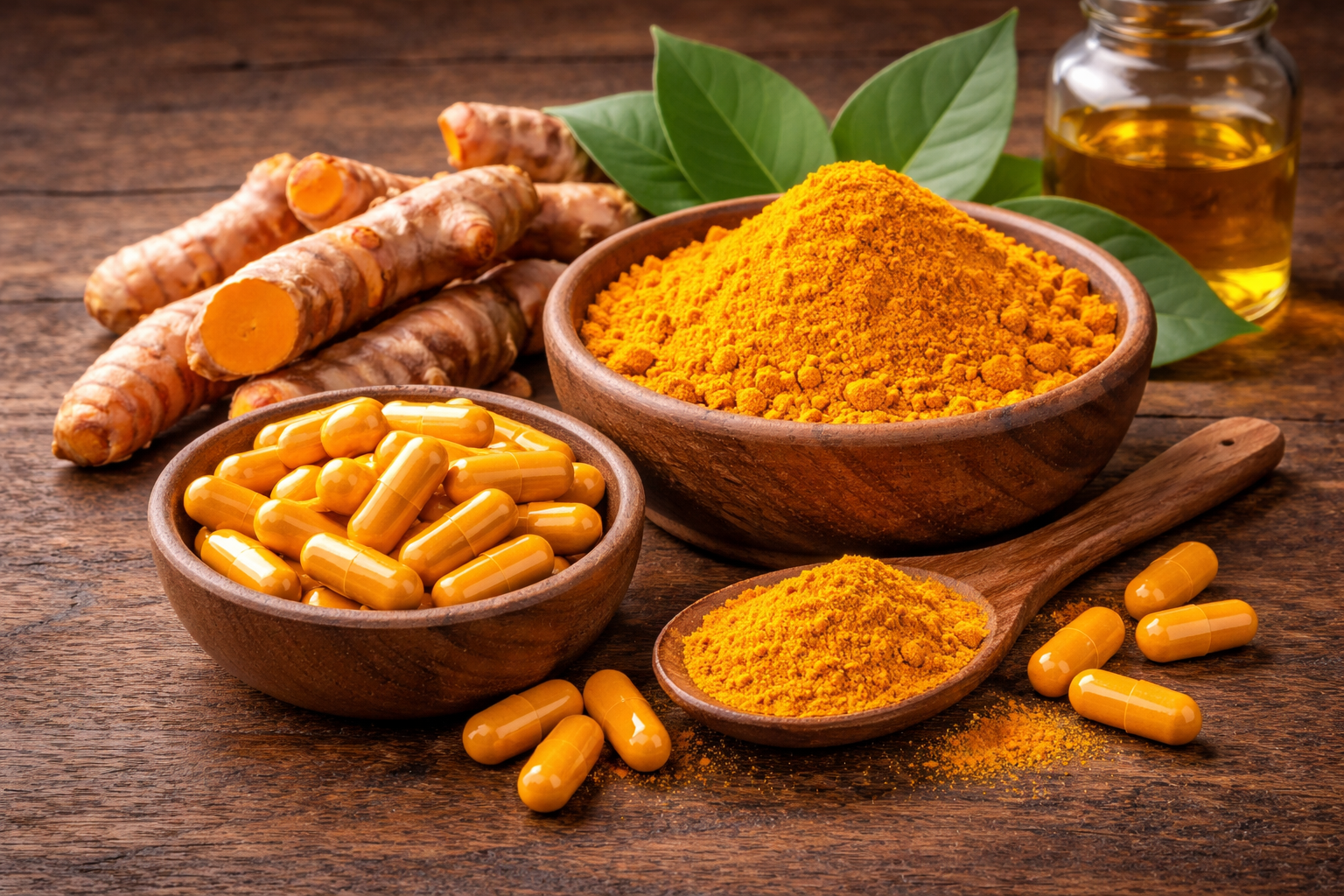
Benefits, Uses, Dosage & Science – The Ultimate Guide
Introduction
Turmeric (Curcuma longa), known as Haridra in Sanskrit, is one of the most extensively researched and widely used herbs in both Ayurveda and modern natural medicine. This golden rhizome, belonging to the ginger family, has been a cornerstone of Ayurvedic practice for over 4,000 years. Its vibrant yellow color comes from curcumin, a bioactive compound that has captured the attention of scientists worldwide for its potent anti‑inflammatory and antioxidant properties. In India, turmeric is not merely a spice but a sacred herb used in cooking, beauty rituals, religious ceremonies, and healing preparations. Today, turmeric has become one of the best‑selling dietary supplements in the United States, with consumers turning to this ancient remedy for joint health, digestive support, skin clarity, and overall inflammation management. This comprehensive guide explores everything you need to know about turmeric, including its traditional Ayurvedic applications, modern scientific evidence, proper dosage, and safety considerations.
What Is Turmeric (Haridra)?
Turmeric is a perennial flowering plant native to Southeast Asia, primarily India. The part used medicinally is the rhizome—an underground stem that is harvested, boiled, dried, and ground into the familiar golden powder. In Ayurveda, turmeric is revered for its ability to purify the blood, support liver function, heal the skin, and reduce inflammation throughout the body. The name Haridra is derived from the Sanskrit word “hari,” meaning “to captivate” or “to please,” reflecting its auspicious nature. The primary active constituent, curcumin, is responsible for most of turmeric’s therapeutic effects, though the whole herb contains a complex array of curcuminoids, volatile oils, and other synergistic compounds that contribute to its efficacy.
Turmeric Benefits: What the Science Says
1. Potent Anti‑Inflammatory Effects
Chronic inflammation is at the root of most modern diseases, including arthritis, heart disease, and metabolic disorders. Curcumin has been shown to inhibit multiple inflammatory pathways, including NF‑κB, a protein complex that controls inflammation at the genetic level. Numerous clinical trials have demonstrated that curcumin supplementation is as effective as some anti‑inflammatory drugs, without the associated side effects.
2. Powerful Antioxidant Protection
Curcumin neutralizes free radicals and also boosts the body’s own antioxidant enzymes, such as glutathione and superoxide dismutase. This dual action helps protect cells from oxidative damage, slowing the aging process and reducing the risk of chronic disease.
3. Supports Joint Health and Mobility
Turmeric is one of the most effective natural remedies for osteoarthritis and rheumatoid arthritis. Multiple studies have shown significant reductions in joint pain, stiffness, and swelling among individuals taking curcumin supplements. Its ability to modulate inflammatory cytokines makes it particularly valuable for maintaining mobility and quality of life.
4. Aids Digestion and Liver Health
In Ayurveda, turmeric is a primary herb for digestive health. It stimulates bile production, reduces gas and bloating, and supports the liver’s detoxification pathways. Modern research confirms that curcumin protects liver cells from damage caused by toxins, alcohol, and certain medications.
5. Promotes Skin Health and Wound Healing
Turmeric’s antimicrobial, anti‑inflammatory, and antioxidant properties make it an excellent herb for skin conditions including acne, eczema, psoriasis, and minor wounds. When applied topically or taken internally, it helps reduce redness, promote healing, and restore a healthy complexion.
6. Supports Cardiovascular Health
Curcumin improves endothelial function, reduces oxidative stress, and lowers inflammatory markers associated with heart disease. Some studies have shown that curcumin supplementation can be as effective as exercise in improving vascular health.
7. Enhances Brain Function and Mood
Curcumin has been shown to increase Brain‑Derived Neurotrophic Factor (BDNF), a protein that supports the growth and survival of neurons. Low BDNF levels are associated with depression, anxiety, and neurodegenerative conditions like Alzheimer’s disease. Clinical trials have demonstrated that curcumin can improve mood and cognitive function in aging adults.
Ayurvedic Properties of Turmeric (Haridra)
In Ayurveda, turmeric is classified with the following properties: Rasa (Taste) is bitter, pungent, and astringent. Virya (Energy) is heating (ushna). Vipaka (Post‑Digestive Effect) is pungent. Dosha Effect pacifies Kapha and Vata but can increase Pitta in excess. Dhatu (Tissue Affinity) includes blood, plasma, muscle, and fat tissues. Srotas (Channel Affinity) includes circulatory, digestive, and lymphatic channels. It is considered a krimighna (antimicrobial), varnya (complexion‑enhancing), and vranaropana (wound‑healing) herb. Turmeric is also a primary herb for raktashodhana (blood purification) and lekhana (scraping excess fat and toxins).
Turmeric Dosage: How Much Should You Take?
Dosage depends on the form of turmeric you are using. For turmeric powder, the typical dosage is 1–3 grams per day, often mixed with warm milk or water. For standardized curcumin extract, 500–1,500 mg per day is common, usually standardized to 95% curcuminoids. To enhance absorption, look for formulations with piperine (black pepper extract), which increases curcumin bioavailability by up to 2,000%. Liposomal formulations and nanoparticle technologies also offer improved absorption. It is best to start with a lower dose and gradually increase while monitoring your body’s response. Turmeric is traditionally taken with warm milk, ghee, or black pepper to enhance its therapeutic effects.
When to Take Turmeric: Best Practices
For general inflammation and joint health, take turmeric with meals to improve absorption and reduce the risk of digestive upset. For digestive support, take it before or with meals. For cardiovascular and brain health, consistency is key—daily use over several months yields the best results. Because turmeric is heating in nature, it is traditionally paired with cooling herbs or taken in smaller doses during the summer months or for individuals with Pitta constitution.
Turmeric Side Effects and Safety
Turmeric is generally well‑tolerated, but some individuals may experience digestive upset such as nausea, bloating, or diarrhea, especially at high doses. It may also cause mild stomach irritation in sensitive individuals. Pregnant women should use turmeric in culinary amounts only; therapeutic doses should be avoided. Individuals with gallstones or bile duct obstruction should avoid turmeric as it stimulates bile flow. Those on blood‑thinning medications (warfarin, aspirin) should use caution as turmeric may have mild anticoagulant effects. People with iron deficiency should be aware that high doses of turmeric may inhibit iron absorption. Always consult a qualified healthcare professional before starting any new supplement, especially if you have underlying health conditions or are taking prescription medications.
How to Choose a High‑Quality Turmeric Supplement
When selecting a turmeric product, look for organic certification to ensure no pesticides or synthetic fertilizers. Third‑party testing confirms potency and purity. Standardized extracts should clearly state curcuminoid content, typically 95% curcuminoids. Bioavailability enhancers such as piperine (black pepper extract) or liposomal delivery systems significantly improve absorption. Avoid products with unnecessary fillers, artificial colors, or proprietary blends that do not disclose individual ingredient amounts. Whole turmeric root powder, while less concentrated, contains a full spectrum of naturally occurring compounds that may offer synergistic benefits beyond isolated curcumin.
Frequently Asked Questions About Turmeric
How long does turmeric take to work?
Most users notice improvements in joint pain, digestion, and inflammation within 2–4 weeks of consistent use. For chronic conditions, 6–8 weeks may be needed to see significant results.
Can I take turmeric every day?
Yes, turmeric is safe for daily use when taken within recommended dosages. Many individuals take it long‑term for ongoing inflammation support.
Is turmeric better than curcumin?
Whole turmeric contains curcumin along with other beneficial compounds that may work synergistically. Curcumin extracts offer higher concentrations of the active compound but lack the full spectrum of the herb.
What is the best way to absorb turmeric?
Taking turmeric with black pepper (piperine) or a healthy fat such as coconut oil, olive oil, or ghee significantly improves absorption.
Conclusion
Turmeric is a true Ayurvedic gem with a remarkable range of therapeutic applications. From its powerful anti‑inflammatory and antioxidant effects to its benefits for digestion, skin, and brain health, this golden herb deserves a place in every wellness routine. As with any supplement, quality matters—choose organic, tested products and follow appropriate dosage guidelines with attention to bioavailability. At Ayurveda Wellness USA, we are committed to bringing you the highest quality, evidence‑based information on Ayurvedic herbs. For trusted, pure, and sustainably sourced turmeric, explore our Atma Naturals product line, crafted with integrity and backed by science.
